Arch Theories

Jamal Makki
Architect

Jamal Makki

Lebanese Architect · Traditional & Recycled Architecture

Personal Profile

About the Architect

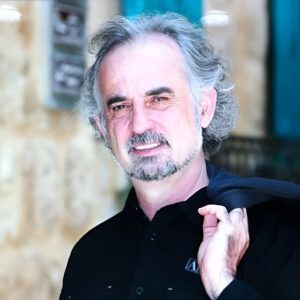
Jamal Makki is a Lebanese architect with a specialization in traditional architecture, aiming to revive heritage and promote eco-friendly, sustainable, and smart architectural practices. Born in Kuwait in 1962, he earned his master's degree in architecture from the Lebanese University (Institute of Fine Arts — First Branch) in 1987.

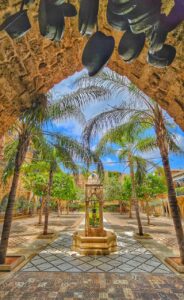
Makki developed the Recycled Architecture Theory — a concept that focuses on repurposing old, neglected, and destroyed buildings, as well as reusing tools, old collectibles, and construction waste in architectural projects. He is also dedicated to reviving traditional architectural elements found in historic houses.

Makki has lectured and participated in architectural and specialized conferences both in Lebanon and internationally, with involvement in sessions focused on:

  • Investment in Urban Heritage
  • Environmental Architecture
  • Friendly Environmental Architecture
  • Recycled Architecture
Honours & Achievements

Awards & Recognitions

Recognition

Arab Tourism Organization Membership

Jamal Makki was honoured with membership in the Arab Tourism Organization, recognizing his outstanding investment in Traditional Architecture.

2004

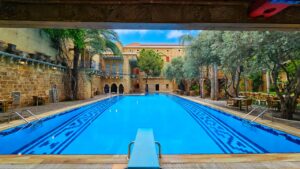
Assaha — Lebanese Traditional Village

Certificate award from the Arab Towns Organization (8th session) recognizing the integration of Arab and Islamic architecture within modern evolution and development.

2010

Imam Ali Mosque — Bent Jbeil

Certificate of appreciation from the Arab Towns Organization (10th session) for architectural excellence in South Lebanon.

2011 · London

International Hotel Awards

Won Best Hotel Architecture Lebanon and New Small Hotel Construction & Design at the International Hotel Awards held in London.

2008

QUALEB Quality Program

Certificate of participation in the QUALEB Quality Program for meeting international standards of health and food safety — ISO 22000:2005 certification.

2010

Quality Management System

Certificate in Quality Management System ISO 9001:2008 for the Assaha — Lebanese Traditional Village project.

Franchise

Global Franchise Network — BFA / IFA

Jamal Makki was granted a franchise degree, and the Assaha — Lebanese Traditional Village project joined the global network of Franchise BEA-IFA.

Explore the Work

Architectural Theories

Smart Architecture

Smart architecture represents the fusion of architectural design with technological advancements. This modern approach integrates advanced systems and machinery that enhance the functionality and efficiency of buildings. The rise of smart architecture reflects the broader trend of interdisciplinary convergence in science and technology, making buildings more responsive and adaptable to the needs of their occupants and the environment

Recycling Architecture

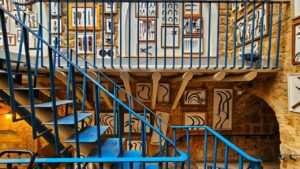
Recycling architecture involves the innovative reuse of old materials, elements, and techniques in new construction. This approach benefits from the remnants of demolished buildings and neglected elements, repurposing traditional artifacts such as peasant tools, joiner’s equipment, and household items. These materials can be used in their original forms or creatively reinterpreted for modern purposes. This theory underscores the value of heritage and environmental conservation, leveraging the legacy of past civilizations to enrich contemporary architecture.

Sustainable Architecture

Sustainable architecture fulfills functional, aesthetic, and symbolic requirements while maintaining harmony with the local climate, culture, and inhabitants. This concept goes beyond mere construction, intertwining with various engineering disciplines. It emphasizes the creation of buildings that are not only energy-efficient but also respectful of environmental and cultural contexts. The essence of sustainable architecture is captured by John Ruskin’s sentiment that Earth is a temporary gift that must be preserved for future generations, underlining the moral obligation to protect it.

Green Architecture

Smart architecture represents the fusion of architectural design with technological advancements. This modern approach integrates advanced systems and machinery that enhance the functionality and efficiency of buildings. The rise of smart architecture reflects the broader trend of interdisciplinary convergence in science and technology, making buildings more responsive and adaptable to the needs of their occupants and the environment.

Environmental Architecture

Environmental architecture is an ancient style rooted in early civilizations, designed to harmonize living spaces with their surroundings using local materials and traditional methods. Pioneered by figures like Egyptian architect Dr. Hassan Fathy — who famously said 'Look under your feet and build' — this approach considers climate, location, and environment at its core. Today, it remains as relevant as ever, guiding us to design spaces that respect and integrate seamlessly with the natural world.

Write a review